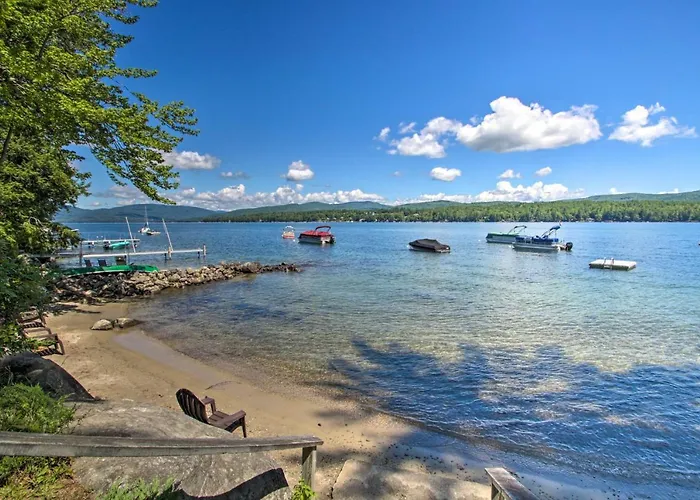
1. Water has NO safe places to land the airplane. Mountainous terrain can contain clear patches and short landing strips; forested terrain often has meadows, and at the least has moose trails or similar game trails that you can slot the fuselage down and lose energy by taking off the wings. You will always lose your aircraft, no second chance, over water. Water, when hit at speed, is extremely hard (have you ever


belly-flopped in a pool? Think of that, only at 80 mph.) There are no trees or vegetation to absorb impact, slow your landing, and if you're in fixed-gear, those gear digging in will flip you instead of slowing and cushioning the landing. Even if you land very gently in a retract, there's no cushioning like with the landing gear on dirt - stalling from 4 feet up will slam all that force straight up into a back-breaking jar.
2. Egressing the airplane when you've landed in forest or mountainous terrain will be into a forest or steep land. Unless the airplane is on fire, taking an extra thirty seconds to figure out up from down, how to get out without hurting more, and how to retrieve the jacket foolishly tossed in the back seat, or the survival gear in the baggage, is not an issue. You can come back to the plane, too, and get it later.Underwater egress is a disorienting, panicky thing that is time-limited because every second you're going further down, and there's no more extra air.
3. On land, there's a trail of damage and broken plane for searchers to see. That's a whole lot bigger than one little bitty person in a big huge lake.
4. Water is a signal insulator. It doesn't matter if your ELT antenna is under four feet of water or four hundred, the sattelites will never hear your electronic cry for help. (PS - I know the FAA seems to market the new 406 as having a remote-turn-off switch, but if you're going to ditch or probably flip the plane, think of it as a remote-turn-on switch, so you get a cry for help out before the signal is buried in dirt or underwater.)
5. Hypothermia. Unless you plan on crashing in blood-warm water, hypothermia will kill you. There are time tables on how long it takes - up in Alaska, we're talking minutes, not hours or days. And if you're in the water in a lake or ocean, how do you plan to get out of it?
6. Blood loss and ability to bind your wounds. Wounds soaked in water don't clot too well. In waters warm enough the hypothermia won't kill you right off, you're bleeding a dinner bell of here-shark-shark-shark.
Turn the question around: other than saving time IF nothing goes wrong, is there any good reason TO fly straight-line over water?